


Turning Therapy Into Interactive Progress
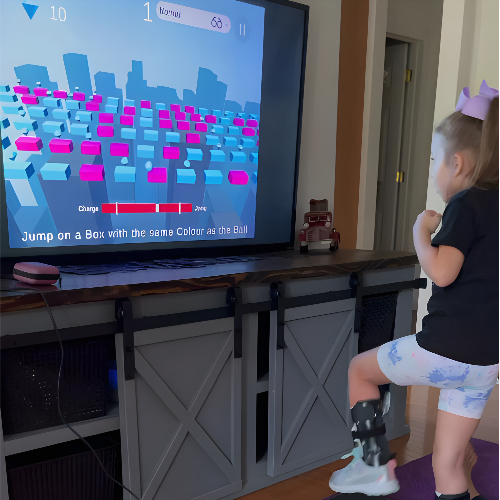
Children often stay more engaged when therapy feels dynamic and rewarding. At EMpower, we offer gamified rehabilitation in New York, NY as part of personalized in-home pediatric physical and occupational therapy. Gamified rehabilitation uses interactive tools and technology to transform therapeutic exercises into structured, game-like activities. The purpose remains clinical and goal directed, but the format increases motivation and participation.
Families often ask about gamified rehabilitation when their child loses interest in repetitive exercises or needs extra encouragement to stay focused. Parents may hope therapy feels less like a task and more like an experience that their child looks forward to. Gamified rehabilitation supports strength, coordination, timing, balance, and cognitive engagement while maintaining clear therapeutic intent.
When Interactive Tools Support Better Engagement
Therapists at EMpower may include gamified rehabilitation when a child benefits from visual feedback, structured challenges, or measurable goals. This approach can support children who are working on improved attention, reaction time, coordination, or endurance. Gamified rehabilitation can also be helpful when building consistency with movement practice at home between sessions.
In-home pediatric therapy allows interactive systems to be integrated directly into the child’s environment. Therapists select tools based on evaluation findings and individual goals. Gamified rehabilitation works best as part of a comprehensive therapy plan rather than a stand alone intervention.
Technology That Makes Movement Meaningful

Lusio Rehab
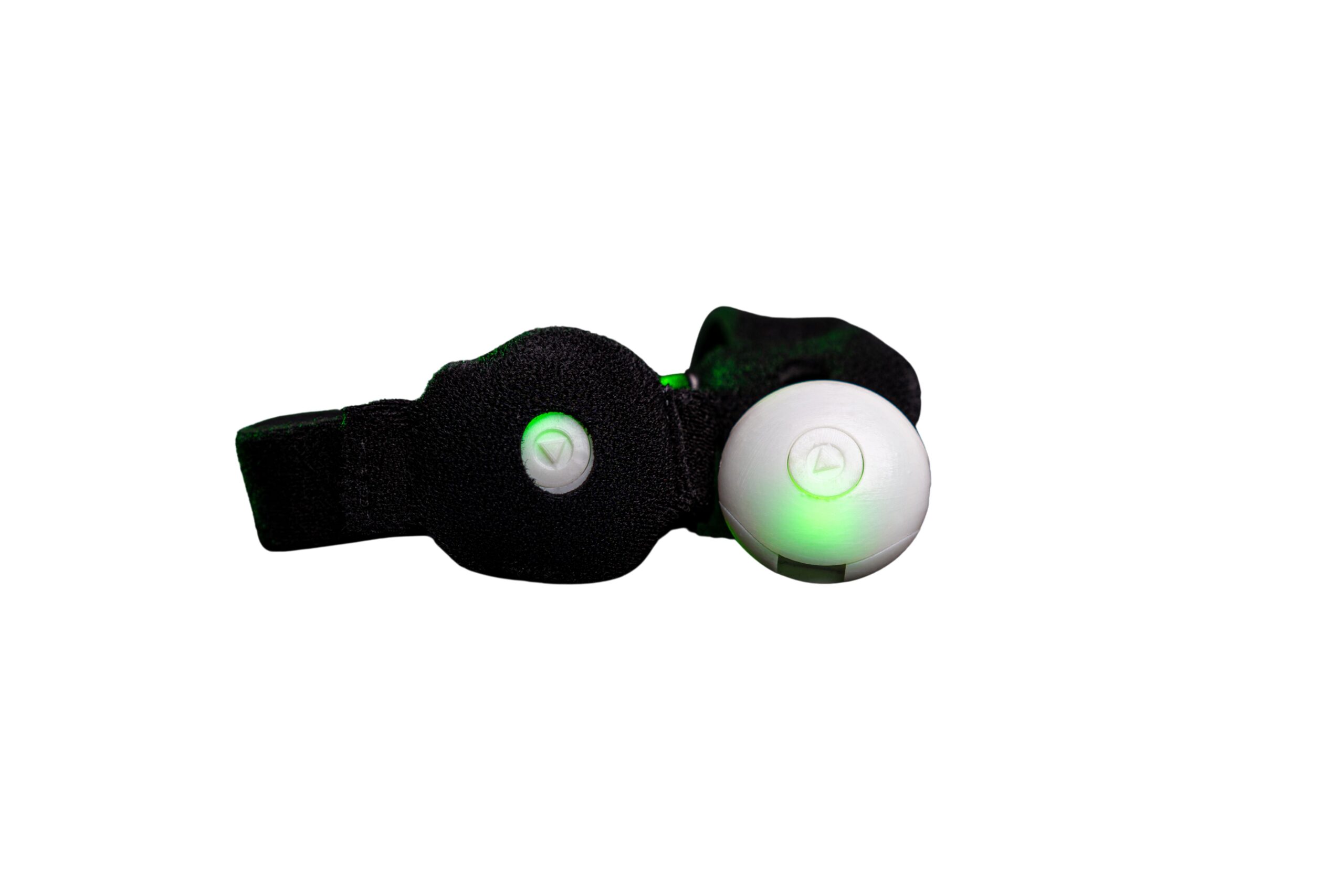
Lusio Rehab is a wearable sensor system that connects physical movement to interactive games on a screen. The system tracks motion in real time and provides immediate visual feedback. Therapists use Lusio Rehab to target tasks such as joint flexion or extension, weight shifting, or graded movements. Because the child sees how their body movement affects the game, engagement increases naturally. Lusio Rehab allows therapists to adjust difficulty levels to meet the child where they are. This system helps children repeat targeted movements in a motivating format, which supports improved consistency and measurable progress over time. The sensor system can even be purchased from Lusio Rehab to complete gamified rehabilitation between sessions, while your therapist monitors virtually.
Blaze Pods
Blaze Pods are light-based reaction tools that challenge speed, coordination, and balance. The pods light up in different sequences, and the child responds by tapping, reaching, or stepping toward the correct light. Therapists use Blaze Pods to target dynamic balance, hand-eye or hand-foot coordination, and reaction time. The quick feedback keeps children alert and engaged while reinforcing purposeful movement patterns. Blaze Pods can be arranged to support upper body reaching, lower body stepping, or full body coordination tasks. This tool helps children build confidence with movement while improving timing and motor control in an interactive format.

Interactive Metronome
Interactive Metronome is a timing-based program that supports coordination and attention. Children perform specific movements in time with auditory cues, while attending to visual feedback on a screen. Therapists use Interactive Metronome to address coordination, focus, and processing speed. The system provides measurable feedback so children and parents can see improvements in timing accuracy. This structured rhythm training can support smoother movement patterns and improved concentration during academic or daily tasks. Interactive Metronome integrates well into broader therapy plans that target both physical and cognitive skills. Children with Attention Deficit Hyperactive Disorder (ADHD), Autism Spectrum Disorder (ASD), or Sensory Processing Disorder (SPD) may benefit from use of Interactive Metronome as part of their therapy plan.
Common Situations Gamified Rehabilitation May Support
Gamified rehabilitation may help children working toward goals such as:
- Improving balance and postural control
- Increasing reaction time and coordination
- Supporting upper and lower body strength
- Enhancing motor planning skills
- Improving timing and rhythm for movement tasks
- Building endurance for sports or daily activities
- Supporting focus during structured tasks
- Encouraging consistent participation in therapy
- Recovering from previous traumatic or negative therapy/medical experiences
Each activity remains purposeful and tailored to the child’s needs.
Integrating Gamified Rehabilitation Into a Full Plan
At EMpower, therapists use gamified rehabilitation as one component of a personalized pediatric therapy plan.
- Targeted movement challenges through interactive systems increase motivation while reinforcing strength and coordination.
- Real time performance feedback helps children adjust movements and build body awareness.
- Progress tracking features allow therapists to measure improvement and adjust goals.
- Structured repetition in a playful format supports motor learning without monotony.
- Combination with traditional strengthening and functional training ensures balanced skill development.
Gamified rehabilitation depends on individual evaluation. Therapists determine when these tools best complement therapy goals.
Trusted by Families Across Our Community
What parents and caregivers say about working with EMpower

-

“Gentle Care, Big Results”
We loved working with Isabella! Her home visits were perfect for our 1-month-old, and she helped resolve his neck issues. She was flexible, attentive, and an absolute delight.
–
Elena B.
-
“From Tough Starts to Big Smiles”
Our daughter has made a ton of progress with Emily! She absolutely adores her and even though the first couple sessions were challenging for her, she acclimated and has been really enjoying her time with Emily!
–
Niklas V.
-
“Gentle, Knowledgeable, and Loved by Our Son”
Emily is an amazing child/infant PT! She is amazing with kids, gentle and so knowledgable. My son loved her, and now that he’s all better we will miss her!
–
Tracy D.


Care That Balances Innovation and Individual Attention
At EMpower, we believe technology should enhance therapy, not replace thoughtful clinical care. Our therapists meet each child where they are and select tools that align with personal goals, family ideals, and daily routines. We focus on compassionate, individualized care that helps children stay engaged while building meaningful skills.

Considering an Interactive Approach to Therapy
If you are interested in learning how gamified rehabilitation may support your child’s strength, coordination, or focus, our team at EMpower can explain how personalized in-home pediatric physical and occupational therapy can incorporate these tools throughout New York, NY, helping children and families feel supported with innovative and thoughtful care.