


When Recovery Feels Uncertain
When a child experiences a brain injury, families often notice changes in movement, balance, attention, or energy levels. Parents may feel unsure about what is typical during recovery and how to best support their child at home. At EMpower, we provide in-home pediatric physical and occupational therapy for brain injury and concussion in New York, NY, focusing on functional skills and steady progress within everyday routines.
Brain injury and concussion can affect how a child moves, thinks, and participates in daily life. Some children become more fatigued, have difficulty concentrating, or feel less steady during walking or play. Parents often share concerns about returning to school, sports, or social activities. Families usually want clear guidance about what to expect and how to help their child regain confidence step by step.
Understanding Causes and Why Early Support Matters
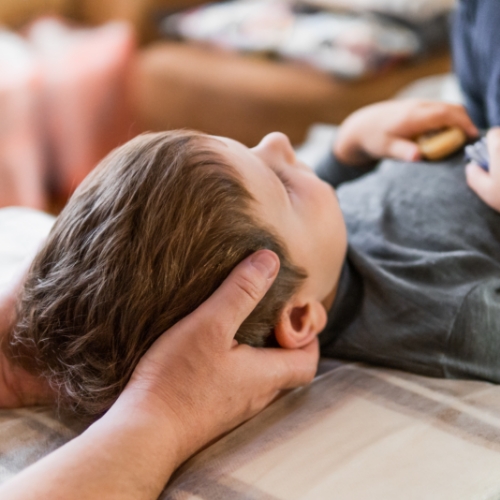
Brain injury and concussion can result from several causes. These may include falls, sports injuries, car accidents, birth-related complications, infections, or medical conditions that affect brain development. Each child’s experience is unique, and recovery looks different depending on the type and severity of the injury.
Timely in-home pediatric therapy helps children return-to-learn and return-to-play and rebuild coordination, balance, and endurance within familiar spaces. Therapy supports gradual return to daily activities while monitoring symptoms and adjusting tasks as needed. Concussion care should follow a stepwise framework and although early activity is often good, it must be symptom-guided and aligned with coordinates with the child’s plan of care.
Below are common types of brain injury that may benefit from pediatric therapy support.

Traumatic Brain Injury
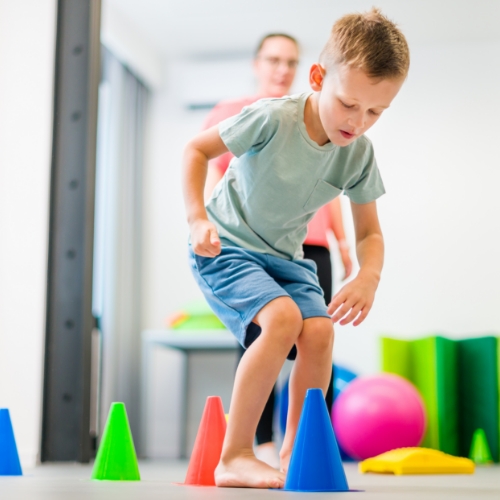
Traumatic brain injury occurs when an external force, such as a fall, collision, or accident, causes injury to the brain. In children, this may happen during sports, playground activities, or motor vehicle accidents. The impact can affect areas of the brain responsible for movement, balance, memory, or emotional regulation.
Children with a traumatic brain injury may experience changes in coordination, muscle strength, attention, or behavior. Some may fatigue more easily or show differences in how they process information. In-home pediatric therapy focuses on restoring functional movement and supporting safe participation in daily routines. Therapists observe how challenges appear in real environments and build plans that address balance, strength, and activity tolerance. Consistent support helps children gradually return to meaningful activities while respecting their recovery process.
Concussion
A concussion is a mild form of traumatic brain injury caused by a blow or jolt to the head. Concussions are common in sports and active play. Although labeled mild, symptoms can temporarily affect balance, concentration, vision, and endurance.
Children recovering from concussion may report headaches, dizziness, or sensitivity to light and noise. Some experience difficulty focusing in school or participating in physical activities. In-home pediatric therapy helps monitor physical symptoms and reintroduce movement gradually. Therapists guide children through balance activities, coordination tasks, and graded activity progression. This structured approach supports safe return to daily routines and helps families understand how to pace activity appropriately.
Hypoxic Ischemic Encephalopathy (HIE)
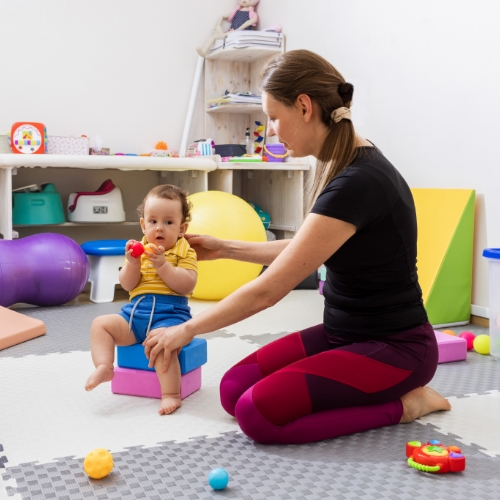
Hypoxic ischemic encephalopathy (HIE) occurs when the brain does not receive enough oxygen and blood flow around the time of birth. This condition can affect muscle tone, coordination, and developmental milestones. The impact varies widely depending on the severity and timing of the oxygen disruption.
Children with HIE may experience differences in muscle tone, movement control, or motor development. In-home pediatric therapy focuses on supporting early milestones, strengthening muscles, and improving postural stability. Therapists work closely with families to integrate positioning and movement strategies into daily care routines. Early and consistent therapy can help build foundational skills and promote participation in age-appropriate activities.
Tumors and Cysts
Brain tumors and cysts can affect neurological function depending on their size and location. Some children require surgical intervention, radiation, or other medical treatment. After treatment, children may experience changes in balance, strength, coordination, or endurance.
In-home pediatric therapy supports recovery by addressing functional movement challenges that appear during everyday activities. Therapists may focus on rebuilding strength, improving coordination, and increasing activity tolerance. Care plans remain flexible and responsive to each child’s medical history and current needs. The goal is to support safe participation in home and community life while encouraging gradual progress.
Trusted by Families Across Our Community
What parents and caregivers say about working with EMpower

-

“Gentle Care, Big Results”
We loved working with Isabella! Her home visits were perfect for our 1-month-old, and she helped resolve his neck issues. She was flexible, attentive, and an absolute delight.
–
Elena B.
-
“From Tough Starts to Big Smiles”
Our daughter has made a ton of progress with Emily! She absolutely adores her and even though the first couple sessions were challenging for her, she acclimated and has been really enjoying her time with Emily!
–
Niklas V.
-
“Gentle, Knowledgeable, and Loved by Our Son”
Emily is an amazing child/infant PT! She is amazing with kids, gentle and so knowledgable. My son loved her, and now that he’s all better we will miss her!
–
Tracy D.


Common Symptoms Families May Notice
Children experiencing brain injury and concussion may show:
- Balance difficulties or unsteady walking
- Headaches or dizziness
- Fatigue during physical or mental tasks
- Sensitivity to light or sound
- Slower processing or attention challenges
- Changes in coordination
- Difficulty returning to sports
- Changes in mood or regulation
An individualized evaluation helps determine how these symptoms affect daily participation.
Supporting Recovery Within Everyday Routines
At EMpower, therapists use in-home pediatric physical and occupational therapy as part of a personalized recovery plan for brain injury and concussion.
- Functional movement assessment identifies how balance and coordination are affected in daily life.
- Balance and vestibular activities improve steadiness and reduce dizziness during movement.
- Gradual endurance training supports safe return to play and school activities.
- Strengthening exercises rebuild muscle support for posture and mobility.
- Visual and motor coordination tasks improve focus and body control.
- Caregiver education and pacing strategies help families manage activity levels at home.
In-home pediatric therapy works best when guided by individual evaluation and ongoing communication with medical providers as needed.
Care That Supports the Whole Family
At EMpower, we meet children where they are and build therapy plans that reflect real routines and priorities. Our team listens carefully to family concerns and provides clear explanations throughout the recovery process. In-home pediatric physical and occupational therapy allows children to practice skills in familiar environments, helping progress feel steady and manageable.

Considering Support During Recovery
If your child is recovering from a brain injury or concussion, start a conversation with us. Our team at EMpower can explain how personalized in-home pediatric physical and occupational therapy may support safe participation and confidence throughout New York, NY.