

When Foot Position Affects Everyday Play
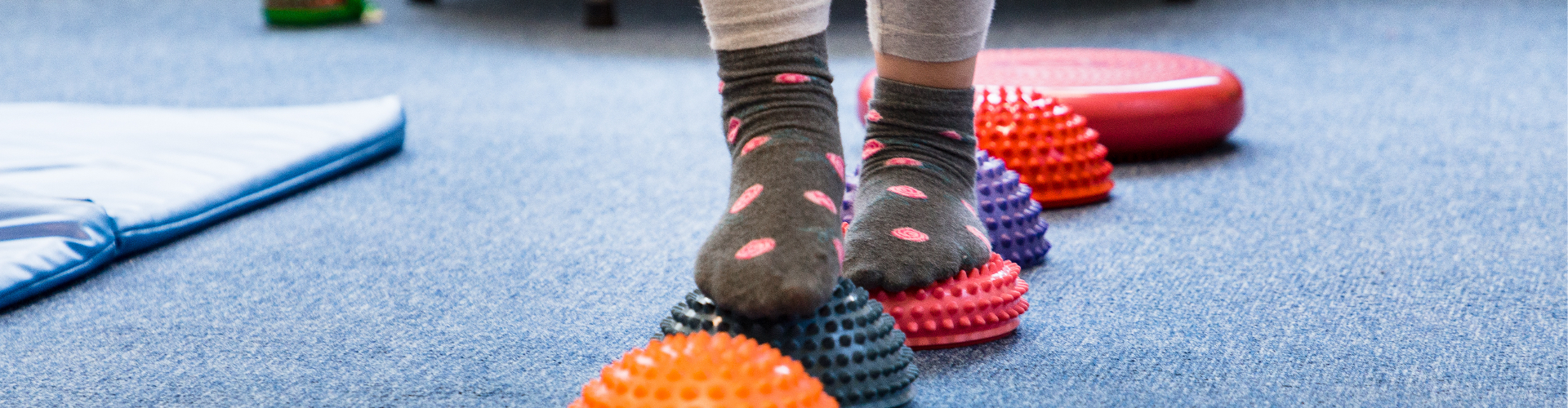
Many parents notice their child’s feet appear flat when standing and wonder whether it is something that needs support. At EMpower, we help families understand flat feet and how foot posture can influence movement, balance, and endurance. Flat feet occur when the arches of the feet appear lower or less visible during weight bearing. In young children, this can be part of normal development, but in some cases it may affect how a child runs, jumps, or participates in daily activities.
Parents often share concerns about frequent tripping, fatigue during play, or shoes wearing unevenly. Some children avoid longer walks or seem less confident during playground activities. Families usually want to know whether their child’s foot posture is typical, whether it will improve over time, and how to support comfort and coordination.
Why In-Home Support Can Make a Difference
Flat feet can develop for several reasons. Common causes include natural developmental patterns, ligament flexibility, low muscle tone, genetics, or differences in strength and alignment throughout the legs. In many children, flexible flat feet improve as strength and coordination develop. In others, additional support may help improve stability and endurance.
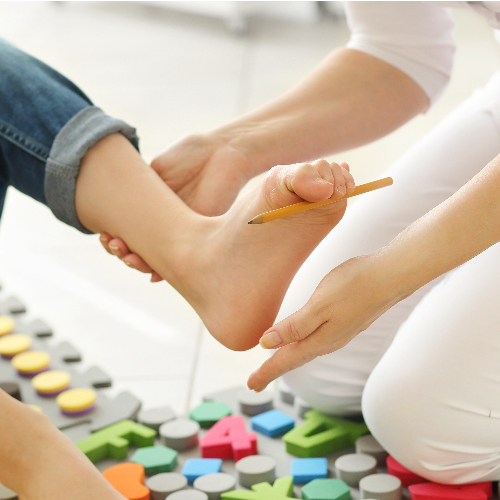
In-home pediatric physical therapy allows therapists to observe how a child moves during real routines such as walking through the home, climbing stairs, or playing on the floor. This context helps us understand how foot posture affects overall function. Early and thoughtful support can improve alignment, balance, and confidence with movement. When therapy connects to daily life, families can practice strengthening and positioning strategies naturally throughout the day.

Signs Parents Often Notice
Flat feet may present differently depending on the child. Common signs include:
- Low or absent arches when standing
- Ankles that roll inward during walking
- Frequent tripping or clumsiness
- Fatigue during longer periods of standing or walking
- Complaints of foot or leg discomfort
- Uneven shoe wear patterns
- Difficulty keeping up with peers or siblings during active play
- Reduced balance on uneven surfaces
Not every child with flat feet requires therapy. An evaluation helps determine whether foot posture is affecting function or participation.
Building Strength and Stability from the Ground Up
At EMpower, therapists use in-home pediatric physical and occupational therapy approaches to support children with flat feet as part of a personalized plan.
- Movement assessment in the home environment helps identify how foot posture affects balance and coordination during daily activities.
- Foot and ankle strengthening activities improve muscle support around the arch, which can help improve function and symptoms.
- Balance and coordination exercises help children feel more confident during walking, running, and playground activities.
- Gait training and alignment guidance support smoother walking patterns and reduce strain.
- Play-based strengthening tasks make practice engaging and easier to carry over outside of sessions.
- Caregiver education provides simple strategies families can use during routines such as getting dressed or playing.
Trusted by Families Across Our Community
What parents and caregivers say about working with EMpower

-

“Gentle Care, Big Results”
We loved working with Isabella! Her home visits were perfect for our 1-month-old, and she helped resolve his neck issues. She was flexible, attentive, and an absolute delight.
–
Elena B.
-
“From Tough Starts to Big Smiles”
Our daughter has made a ton of progress with Emily! She absolutely adores her and even though the first couple sessions were challenging for her, she acclimated and has been really enjoying her time with Emily!
–
Niklas V.
-
“Gentle, Knowledgeable, and Loved by Our Son”
Emily is an amazing child/infant PT! She is amazing with kids, gentle and so knowledgable. My son loved her, and now that he’s all better we will miss her!
–
Tracy D.


Care That Reflects Your Child’s Everyday Life
At EMpower, we focus on meeting each child where they are and building skills that support meaningful participation. Our therapists listen carefully to parent concerns and observe how children move in familiar spaces. In-home pediatric physical and occupational therapy allows care to feel practical, collaborative, and grounded in real routines. Families often share that this approach helps them feel confident supporting progress between visits.

Let’s Talk About Supporting Your Child’s Movement
If you have questions about flat feet and how they may be affecting your child’s balance or endurance, our team at EMpower is available to listen and explain how personalized in-home pediatric physical and occupational therapy may support your child’s confidence and participation in New York, NY.