

Understanding Head Shape and Neck Positioning in Infants
Parents often notice head shape differences or a preference for turning to one side during the first months of life and wonder what is typical and what may need support. At EMpower, our therapists help families understand brachycephaly, plagiocephaly and torticollis in New York, NY with clear explanations and practical guidance. These concerns can affect how a baby rests, turns their head, feeds, or tolerates tummy time, which may influence daily routines and comfort.
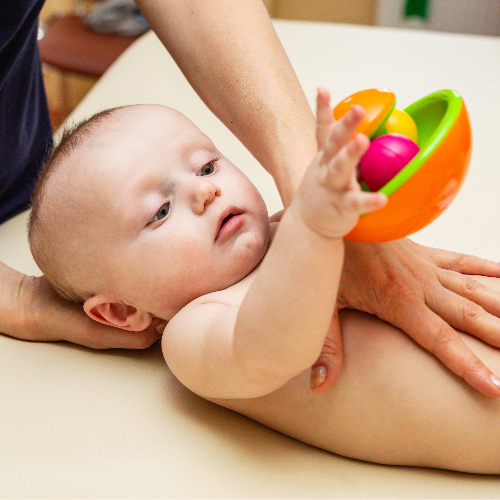
Torticollis refers to tightness in the neck muscles that causes a baby to tilt or rotate their head in one direction. This positioning can contribute to head shape changes over time. Families often want reassurance, clear answers, and support that feels respectful and calm. They want to understand how head shape differences and neck tightness may affect movement and what steps can support healthy development. Pediatric therapy helps families feel informed and confident while supporting early motor skills.
Why Early Support Matters and Common Causes
Brachycephaly and plagiocephaly often develop when an infant spends extended time in one position. Torticollis may develop when neck muscles tighten on one side, limiting full head rotation. These concerns are common and often connected. When a baby consistently turns or tilts to one side due to torticollis, pressure on the skull can contribute to flattening.
Early support helps improve neck mobility, reduce muscle tightness, strengthen surrounding musculature, and encourage balanced motor development.
Common contributors include:
- Preference for turning the head to one side
- Tight neck muscles consistent with torticollis
- Limited neck mobility
- Extended time on their back during rest or play
- Reduced tolerance to tummy time
- Premature birth, multiple births, or breech positioning during some or all of pregnancy
Addressing brachycephaly, plagiocephaly, and torticollis early supports comfortable movement, balanced muscle use, and participation in daily activities. Timely guidance helps families learn simple positioning and play strategies that fit naturally into everyday routines.

Common Signs Parents May Notice
Head shape and neck concerns can look different for each child. Common signs include:
- Flattening on one side or the back of the head
- Head shape that appears wider than expected
- Uneven facial features or ear alignment
- Persistent head tilt to one side
- Preference for looking or turning in one direction
- Limited head rotation during play
- Difficulty maintaining midline head position
- Fussiness during tummy time
Not every sign indicates a need for intervention, but a pediatric therapist can help families understand what they are seeing and how support may help improve comfort and symmetry.
How EMpower Supports Head Shape, Neck Mobility, and Movement Development
Our mobile pediatric therapists use evidence-based pediatric physical and occupational therapy approaches that feel approachable and family-centered.
- Gentle positioning support encourages varied head positions throughout the day.
- Targeted stretching of the neck muscles addresses tightness associated with torticollis.
- Strengthening activities for the neck, trunk, and hips promote balanced postural development.
- Movement-based activities improve head control and symmetrical muscle use.
- Tummy time guidance supports strength development in ways that feel manageable and gradual.
- Play-based strategies help babies explore movement comfortably and naturally.
- Caregiver education provides clear techniques families can use during feeding, carrying, and play.
- Ongoing monitoring allows therapists to adjust strategies as a child grows and mobility improves.
These approaches support brachycephaly, plagiocephaly, and torticollis by focusing on movement, comfort, and everyday function rather than rigid routines.
Trusted by Families Across Our Community
What parents and caregivers say about working with EMpower

-

“Gentle Care, Big Results”
We loved working with Isabella! Her home visits were perfect for our 1-month-old, and she helped resolve his neck issues. She was flexible, attentive, and an absolute delight.
–
Elena B.
-
“From Tough Starts to Big Smiles”
Our daughter has made a ton of progress with Emily! She absolutely adores her and even though the first couple sessions were challenging for her, she acclimated and has been really enjoying her time with Emily!
–
Niklas V.
-
“Gentle, Knowledgeable, and Loved by Our Son”
Emily is an amazing child/infant PT! She is amazing with kids, gentle and so knowledgable. My son loved her, and now that he’s all better we will miss her!
–
Tracy D.


A Personalized, Family-Centered Approach
At EMpower, care focuses on meeting each child where they are and supporting families with guidance that feels realistic and supportive. Therapists take time to understand each child’s movement patterns, head positioning preferences, and daily routines. Pediatric physical therapy and pediatric occupational therapy plans remain flexible and adjust as skills develop. This approach helps families feel confident and supported throughout the process.

Considering Support for Head Shape or Neck Tightness
If you have questions about brachycephaly, plagiocephaly, or torticollis,our team at EMpower can listen to your concerns, explain what to expect, and share how personalized in-home pediatric physical and occupational therapy may support your child’s development throughout New York, NY.