
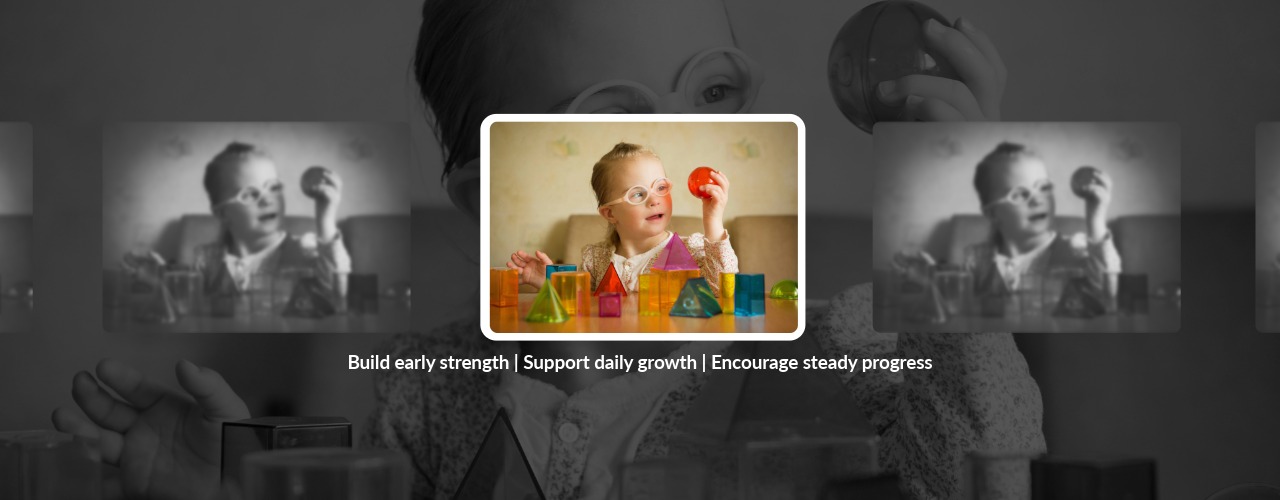

When a child is diagnosed with a genetic condition, it can bring uncertainty and a long list of questions for families. One of the most important steps forward is understanding how early therapy for genetic disorders in children can support development from the very beginning. With the right guidance from the team at EMpower, children can build strength, improve daily function, and gain confidence in ways that shape their future.
To explore this process in more detail, let’s look at the story of a patient we’ll call Sofia.
A Closer Look at Sofia’s Journey With Down Syndrome
Sofia is a bright, curious child diagnosed with Down syndrome. From infancy, her parents noticed differences in how she moved and interacted with her environment. She had lower muscle tone, which made it harder for her to hold her head up, sit independently, and explore her surroundings.
As Sofia grew, these challenges began to affect more areas of her daily life:
- Delays in rolling, crawling, and walking
- Difficulty maintaining balance during play
- Reduced endurance for typical toddler activities
- Challenges with fine motor skills, like grasping toys or feeding herself
Her parents wanted to support her development but were unsure where to begin. That is when they connected with EMpower for in-home pediatric therapy.
How Early Therapy for Genetic Disorders in Children Builds a Strong Foundation
Starting early therapy for genetic disorders in children gave Sofia the opportunity to develop skills during a critical stage of growth. Rather than waiting for delays to become more pronounced, her care team focused on building foundational movement patterns and functional abilities right at home.
Her therapy plan was designed to fit naturally into her daily routines, which helped her feel comfortable and engaged. Sessions often included:
- Guided play to encourage movement and exploration
- Positioning strategies to improve postural control
- Activities that supported reaching, grasping, and coordination
- Parent education to carry over progress between visits
This approach allowed therapy to feel less like a task and more like part of Sofia’s everyday life.
Personalized Care That Meets Children Where They Are
At EMpower, Sofia’s care was tailored specifically to her needs, not just her diagnosis. Her therapists understood that children with genetic conditions often present with a wide range of strengths and challenges. Sofia’s plan focused on:
- Improving muscle activation and stability
- Supporting transitions between positions, like sitting to standing
- Encouraging safe mobility within her home environment
- Building independence in simple daily tasks
Because therapy took place in her own home, Sofia practiced skills in the exact spaces where she lived and played. This made each milestone more meaningful and easier to carry over into real life.
Small Wins That Lead to Big Progress
Over time, Sofia began to show steady improvements. What once felt difficult became more manageable with consistent support and practice. Her parents noticed several meaningful changes, including:
- Increased ability to sit and play without support
- Greater confidence during movement and exploration
- Improved hand use when interacting with toys and food
- More engagement with family during daily routines
These small wins added up, reinforcing the value of early therapy for genetic disorders in children as a proactive step rather than a reactive one.
Supporting Families Every Step of the Way
A key part of Sofia’s progress came from involving her family in the process. Her therapists provided simple, practical strategies that fit into daily routines without overwhelming her parents. This included:
- Coaching on how to support movement during playtime
- Adjusting home setups to encourage safe exploration
- Offering reassurance and education about developmental expectations
By empowering her caregivers, therapy extended far beyond scheduled visits, creating consistent opportunities for growth.
A Future Built on Confidence and Capability
Today, Sofia continues to build strength, improve coordination, and participate more fully in her daily activities. While her journey is ongoing, early therapy for genetic disorders in children has given her a strong foundation to continue progressing.
Her story reflects what is possible when children receive timely, personalized care in an environment where they feel safe and supported.
If your child has been diagnosed with a genetic condition or you have concerns about their development, early support can make a meaningful difference. Reach out to EMpower to learn how in-home pediatric therapy can help your child grow, move, and thrive with confidence.