


Understanding Early Movement Patterns
During infancy, babies are born with automatic movement patterns called primitive reflexes. These reflexes help with early survival and development. As children grow, the nervous system gradually integrates these reflexes so that voluntary, controlled movement can take over. At EMpower, we provide primitive reflex integration in New York, NY as part of personalized in-home pediatric physical and occupational therapy. Primitive reflex integration focuses on identifying retained reflexes that may still influence posture, coordination, attention, and behavior beyond the expected age.
Families often ask about primitive reflex integration when they notice challenges with balance, coordination, handwriting, attention, or emotional regulation. Parents may hear terms like retained reflexes and wonder how early movement patterns connect to current struggles. Most families want clear explanations and practical strategies that support daily function.
When This Approach May Be Recommended
Therapists at EMpower may use primitive reflex integration strategies when an evaluation suggests that retained reflex patterns are affecting motor control, posture, or learning. Retained reflexes can contribute to difficulties with coordination, body awareness, visual tracking, or self regulation. Common reflexes that may persist include the Moro reflex, the Babinski reflex, the asymmetric tonic neck reflex, or the tonic labyrinthine reflex.
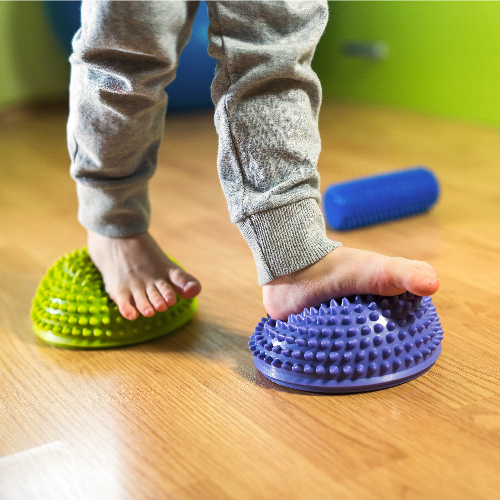
Primitive reflex integration exercises focus on helping the nervous system develop mature movement responses. In-home pediatric therapy allows therapists to observe how these patterns show up during real routines such as homework, dressing, or playground activities. Timely support can help children build smoother, more coordinated movement patterns and improved regulation. Primitive reflex integration always depends on individual evaluation and becomes one part of a comprehensive pediatric therapy plan.

Common Situations Primitive Reflex Integration May Support
Primitive reflex integration may help children working toward goals such as:
- Improving balance and coordination
- Supporting handwriting and fine motor control
- Reducing sensitivity to movement or sound
- Improving posture during seated tasks
- Enhancing body awareness during play
- Supporting visual tracking for reading
- Improving emotional regulation during transitions
- Increasing focus during structured activities
Each plan is tailored to the child’s developmental stage and specific needs.
Supporting Nervous System Maturation Through Guided Movement
At EMpower, therapists incorporate primitive reflex integration into a thoughtful in-home pediatric physical and occupational therapy plan.
- Targeted movement sequences gently activate and retrain early reflex patterns, supporting smoother motor control.
- Postural strengthening activities build stability that reduces compensatory movements.
- Bilateral coordination exercises encourage both sides of the body to work together more efficiently.
- Visual motor integration tasks support eye tracking and hand coordination.
- Core and balance training enhance overall body awareness and control.
- Routine based practice at home reinforces integration exercises within daily activities.
- Caregiver education and coaching help families understand how reflex patterns influence behavior and movement.
Primitive reflex integration works best as part of a full pediatric therapy plan. Therapists adjust activities based on how the child responds and progresses over time.
Trusted by Families Across Our Community
What parents and caregivers say about working with EMpower

-

“Gentle Care, Big Results”
We loved working with Isabella! Her home visits were perfect for our 1-month-old, and she helped resolve his neck issues. She was flexible, attentive, and an absolute delight.
–
Elena B.
-
“From Tough Starts to Big Smiles”
Our daughter has made a ton of progress with Emily! She absolutely adores her and even though the first couple sessions were challenging for her, she acclimated and has been really enjoying her time with Emily!
–
Niklas V.
-
“Gentle, Knowledgeable, and Loved by Our Son”
Emily is an amazing child/infant PT! She is amazing with kids, gentle and so knowledgable. My son loved her, and now that he’s all better we will miss her!
–
Tracy D.


Care That Reflects the Whole Child
At EMpower, we focus on meeting each child where they are and building plans that feel meaningful and practical. Our therapists listen carefully to family concerns and create strategies that fit into everyday routines. In-home pediatric physical and occupational therapy allows reflex integration work to connect naturally with school tasks, play, and daily transitions. We aim to support steady progress that strengthens both skill and confidence.

Exploring Whether Reflex Integration Is Appropriate
If you are wondering whether primitive reflex integration may support your child’s coordination, focus, or regulation, our team at EMpower can explain how personalized in-home pediatric physical and occupational therapy may incorporate this approach throughout New York, NY, helping children and families feel informed and supported at every step.