


Understanding Developmental Differences in Everyday Life
Families navigating complex diagnoses often have questions about what daily life will look like for their child. At EMpower, we support children with congenital and genetic diagnoses in New York, NY through in-home pediatric physical and occupational therapy that focuses on functional skills and meaningful participation. Congenital and genetic diagnoses are conditions present at birth or caused by changes in genes. These diagnoses can affect muscle tone, coordination, strength, regulation, communication, and overall development.
Parents often share concerns about delayed milestones, feeding challenges, mobility differences, or uncertainty about how to best support their child at home. Many families want practical guidance that helps daily routines feel more manageable. Therapy does not change a diagnosis, but it can help children build skills, improve comfort with movement, and participate more fully in family life.
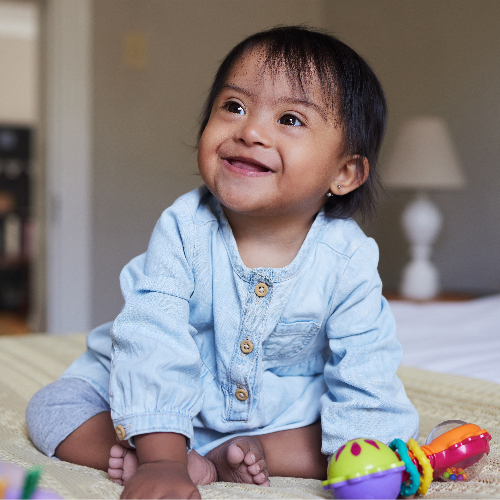
Why In-Home Support Matters for Growing Children
Children with congenital and genetic diagnoses often benefit from consistent support during early development. In-home pediatric therapy allows children to practice skills in familiar spaces where daily routines naturally occur. When therapy connects directly to home life, progress often feels more practical and easier to carry over between sessions.
Timely care supports strength, coordination, positioning, and functional independence. As children grow, guided support helps families understand how skills develop step by step. Meeting children where they are allows progress to feel meaningful and realistic rather than overwhelming.
Below are some of the congenital and genetic diagnoses our therapists can support.


Prader-Willi Syndrome
Prader-Willi Syndrome is a genetic condition caused by changes on chromosome 15. This condition often affects muscle tone, feeding patterns, growth, and behavior. Infants with Prader-Willi Syndrome may present with low muscle tone, which can make feeding, rolling, sitting, and crawling more challenging. As children grow, differences in metabolism and appetite regulation can become more noticeable.
Parents often seek therapy support to address delays in motor development and to improve strength and coordination. In-home therapy helps children build muscle strength and postural control in familiar environments. Early support encourages gradual skill development and gives families positioning and movement strategies they can use during everyday routines. With consistent guidance, children with Prader-Willi Syndrome can improve functional mobility and participation at their own pace.
Down Syndrome
Down Syndrome is a genetic condition caused by an extra copy of chromosome 21. This additional genetic material influences physical development, muscle tone, and cognitive processing. Children with Down Syndrome often experience low muscle tone and ligament flexibility, which can affect balance, coordination, and posture.
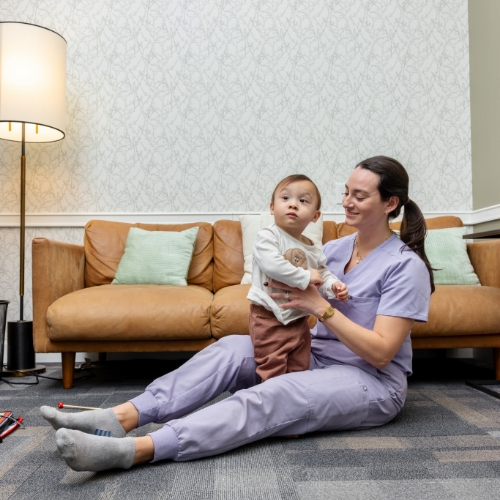
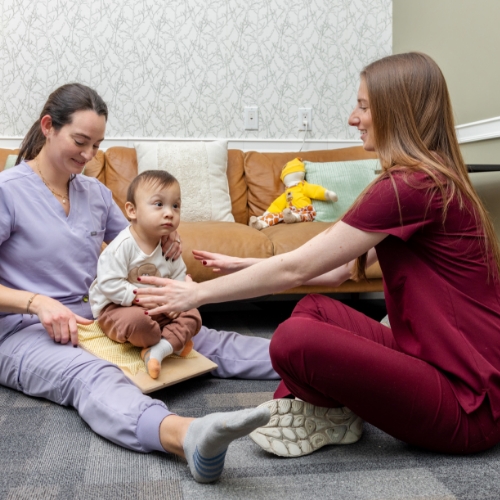
Therapy often focuses on strengthening and motor planning to support sitting, standing, walking, and fine motor skills. In-home pediatric therapy helps children practice these skills in daily routines, which supports carryover and confidence. Families benefit from clear guidance about positioning, strengthening activities, and ways to encourage independence safely. Early and ongoing support helps children build functional skills that support participation at home and in the community.
Trisomy 18
Trisomy 18, also known as Edwards Syndrome, is a genetic condition caused by an extra copy of chromosome 18. This condition may influence muscle tone, coordination, feeding, and overall development. Children with Trisomy 18 often require thoughtful medical and therapeutic support.
In-home therapy focuses on positioning, comfort, gentle movement, and supporting functional interaction within daily routines. Therapists collaborate closely with families to understand each child’s unique needs and goals. Therapy may emphasize maintaining mobility, encouraging active participation, and supporting quality of life through meaningful engagement. Personalized care allows families to feel supported while honoring each child’s individual path.
Ehlers-Danlos Syndrome
Ehlers-Danlos Syndrome is a group of connective tissue disorders that affect collagen, which supports joints, skin, and tissues. Children with Ehlers-Danlos Syndrome may experience joint hypermobility, muscle fatigue, or coordination challenges. Parents often notice difficulty with endurance, frequent discomfort during activity, or delays in motor milestones.
Therapy focuses on strengthening surrounding muscles, improving joint stability, and supporting safe movement patterns. In-home pediatric therapy allows therapists to assess how children move within their natural environment and adjust activities accordingly. Clear education helps families understand pacing strategies and positioning techniques that promote comfort and stability during daily activities.
FOXG1 Syndrome
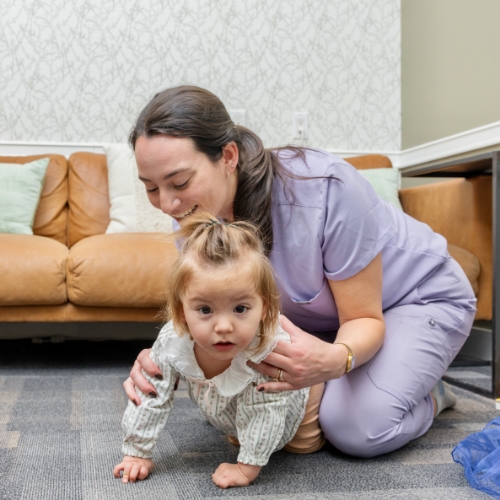
FOXG1 Syndrome is a rare genetic condition caused by changes in the FOXG1 gene on chromosome 14, which plays a role in brain development. Children with FOXG1 Syndrome may experience developmental delays, movement differences, muscle tone changes, seizures, and challenges with communication or regulation.
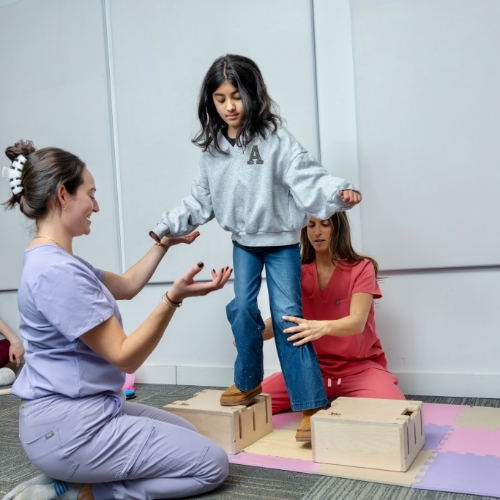
Therapy often focuses on supporting head and trunk control, improving functional mobility, and encouraging purposeful movement. In-home pediatric therapy provides a calm and familiar setting where children can practice skills at their own pace. Therapists guide families through positioning, handling techniques, and activity modifications that support participation. Care remains flexible and individualized to reflect each child’s strengths and needs.
Rett Syndrome
Rett Syndrome is a genetic condition caused by changes in the MECP2 gene on the X chromosome. Children with Rett Syndrome may experience changes in motor skills, hand use, coordination, and communication over time. Parents often notice developmental differences after an initial period of typical growth.
Therapy focuses on maintaining mobility, supporting posture, and encouraging engagement in daily activities. In-home therapy allows therapists to observe routines and adapt support accordingly. Care may include positioning strategies, gentle strengthening, and coordination activities that promote comfort and participation. Ongoing support helps families feel informed and equipped to navigate changes as they arise.
CASK-Related Disorders
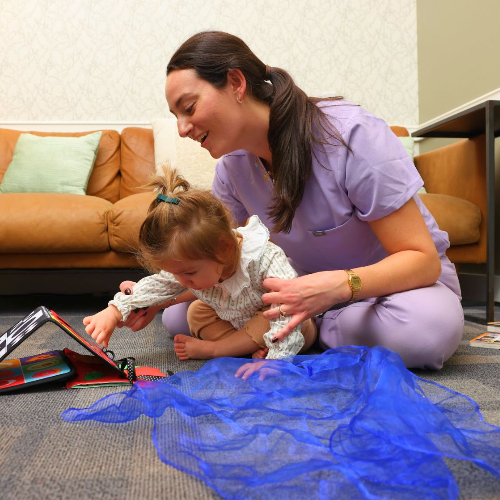
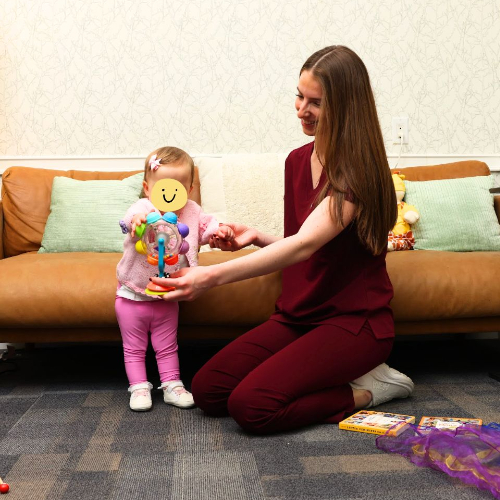
CASK-related disorders are genetic conditions that affect brain development and neurological function. Children may experience low muscle tone, balance challenges, coordination differences, and developmental delays. Parents often seek therapy to support gross motor milestones and improve functional participation.
In-home pediatric therapy focuses on strengthening, balance training, and functional movement practice. Therapists work collaboratively with families to build skills within real-life routines. Education remains central so caregivers understand how to support safe movement and continued progress between visits.
Duchenne Muscular Dystrophy
Duchenne Muscular Dystrophy is a genetic condition caused by changes to the gene that produces dystrophin, which affects muscle strength and function. Children with Duchenne Muscular Dystrophy experience progressive muscle weakness over time. Early signs may include delayed walking, frequent falls, or difficulty climbing stairs.
Therapy focuses on maintaining strength, supporting joint mobility, and encouraging safe, functional movement. In-home pediatric therapy allows therapists to adapt exercises to everyday environments while supporting comfort and energy conservation. Care emphasizes steady support and practical strategies that help children participate in daily activities as fully as possible.

Spinal Muscular Atrophy
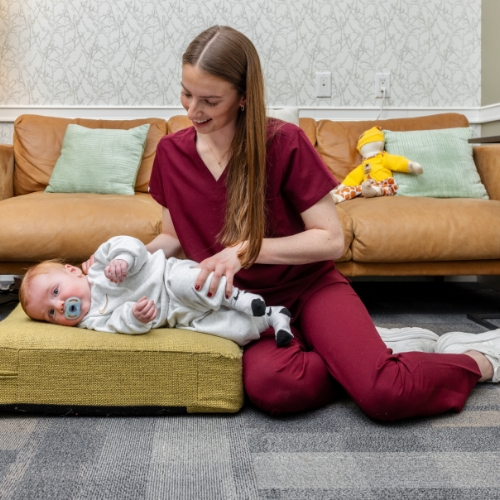
Spinal Muscular Atrophy is a genetic condition caused by changes in the SMN1 gene, which affects the nerves that control voluntary muscles. When these nerves do not function as expected, muscles become weak. Children with Spinal Muscular Atrophy can experience differences in strength, endurance, head control, sitting balance, or walking ability, depending on the type and severity of the diagnosis.
In-home pediatric therapy focuses on supporting posture, maintaining joint mobility, and encouraging safe, functional strength within daily routines. Our therapists guide families through positioning strategies and pacing techniques that promote participation while respecting each child’s energy levels.
Supporting Strength, Movement, and Participation at Home
At EMpower, therapists use in-home pediatric physical and occupational therapy as part of a comprehensive care plan for children with congenital and genetic disorders.
- Individualized movement assessment helps identify areas of strength and areas that need support.
- Strength and postural activities improve functional stability and mobility during daily routines.
- Positioning and handling guidance supports comfort and alignment.
- Play-based therapy encourages engagement and skill development.
- Caregiver education provides practical strategies families can use throughout the day.
- Ongoing plan adjustments allow therapy to evolve as children grow.
In-home therapy works best as part of a personalized plan guided by individual evaluation and collaboration with families.
Trusted by Families Across Our Community
What parents and caregivers say about working with EMpower

-

“Gentle Care, Big Results”
We loved working with Isabella! Her home visits were perfect for our 1-month-old, and she helped resolve his neck issues. She was flexible, attentive, and an absolute delight.
–
Elena B.
-
“From Tough Starts to Big Smiles”
Our daughter has made a ton of progress with Emily! She absolutely adores her and even though the first couple sessions were challenging for her, she acclimated and has been really enjoying her time with Emily!
–
Niklas V.
-
“Gentle, Knowledgeable, and Loved by Our Son”
Emily is an amazing child/infant PT! She is amazing with kids, gentle and so knowledgable. My son loved her, and now that he’s all better we will miss her!
–
Tracy D.


A Personalized Approach for Every Family
At EMpower, care focuses on meeting each child where they are and building skills that support meaningful participation in daily life. Therapists listen carefully to family goals and adapt therapy to fit real routines. In-home pediatric physical and occupational therapy reflects our commitment to compassionate, individualized care that supports both children and caregivers.

Let’s Talk About What Support Could Look Like
If your child has a congenital or genetic diagnosis and you would like thoughtful guidance that fits your family and routines, our team at EMpower is available to listen and explain how personalized in-home pediatric physical and occupational therapy may support your family in New York, NY.